Found a bug or have an idea? We read every message.
Log in if you'd like us to reply by email.
8 Best Manhwa Where the Male Lead Regrets and Grovels
KuraManga Team··8 min read
The regret genre runs on a single hinge: the moment the heroine stops waiting. Up to that point the cold husband holds every card — her affection, her patience, the marriage itself. After it, he is the one standing in doorways, saying her name like it might still work. Korean readers have a name for these stories, huhoe-mul, and the best of them understand something the weaker ones miss: the grovel only lands if her life without him is genuinely good.
These eight picks all turn on that flip. Some male leads have to earn a second chance through visible penance, while others learn their apology was never going to be accepted. A few series use amnesia, a divorce filing or a disappearance to force the realization early. From Wished You Were Dead to My Husband Who Hates Me Has Lost His Memories and Your Regrets Mean Nothing to Me, every regret manhwa on this list is available to read on KuraManga.
1Wished You Were Dead
1Wished You Were Dead
Three times a day, the Emperor of Croisen wished his empress would simply stop existing. Yvonne wears the face of his enemy, and his cruelty never draws so much as a flinch from her — which only makes him colder. Then the wish comes true, long after he quietly stopped making it, and the man who swore he did not care is left holding the consequence.
The title tells you how the regret works here: he gets no misunderstanding to hide behind. He wanted this and said it out loud, and the story makes him live with exactly what he asked for. That gives his remorse a weight most regret manhwa never reach, because it is aimed at himself rather than at bad luck or a scheming rival. Read it if you want the purest version of the trope, where the apology has to answer for words instead of mistakes.
An accident erases exactly one person from Theodore's memory: his wife. Before it, he despised Lily for the family name she was born with, never realizing she hated that family just as much and was quietly counting the days until their divorce. After it, the man who could not stand to look at her cannot stop looking.
The amnesia device is cleverer than it sounds. It shows the reader the husband Theodore could have been all along, so every tender scene doubles as evidence against the version of him still buried somewhere inside. The tension is not whether he falls for her — it is what happens when his memories return and he has to carry both men at once. This is the pick for readers who like their regret delayed and their dread slow-building.
The marriage came with two promises: no love, and no other women. She decided one of them was enough to build a life on. Then Raymond's old flame Regina came back with a son, and Raymond announced the boy would be crowned first prince — so she asked for a divorce, and felt lighter saying it than she had in years.
This is the counterweight to every forgiveness arc on the list. The title is a thesis statement, and the series commits to the idea that a man's sudden remorse does not obligate the woman he hurt to do anything about it. That moves the tension away from whether she takes him back and onto how far she can get before his regret becomes her problem again. Start here if you have ever finished a regret story annoyed that the heroine forgave too easily.
Ines has been unwanted since birth, a royal daughter treated like a stain because her parents never married. Her kingdom ships her off to Grand Duke Ryan of Eleanor, a war hero who spent years killing her countrymen, and he greets his new wife with the same cold nothing she grew up on.
Pacing is what separates it. The story gives Ines real room to decide she is finished accepting that treatment before any regret arrives, so by the time the Grand Duke starts noticing her, you have already watched her outgrow the need for his approval. The enemy-nation setup adds a second layer, too: his coldness is political as much as personal, which means any thaw costs him something in public. It suits readers who want the heroine's turn to come first and the man's to come a distant second.
Ten years of quiet love, never once confessed. When the man Stella Ambrose has carried a torch for finally returns to the capital, he looks at her with open contempt, so she decides to put the feeling down for good. Then her family's debts come due, and the contract marriage arranged to cover them is with him.
The twist is that his arrogance runs on assumptions. He scorns a woman he barely knows, while she has only just finished grieving a love he never noticed existed. Sharing a house under contract forces him to meet the real Stella, and the gap between his picture of her and the woman across the table sets up his fall better than any villain could. Ideal for readers who prefer regret rooted in misjudgment rather than outright cruelty.
Neveah grew up as an ornament on a shelf — unseen by her parents, ignored by the maids, engaged before birth to Valor Wistash through an arrangement between their fathers. The whole story leans toward the line she finally says to him: love had its moments, and he missed every one of them.
It is one of the quieter entries here, and that restraint is deliberate. Instead of one big betrayal, the series builds its case from small absences, like a girl falling in the snow while nobody in the house turns around. By the time Valor understands what he lost, the reader has already counted every moment he failed to show up. Pick it if you want regret built from neglect instead of villainy, which is often the more painful kind because he never noticed doing it.
Annette Rosenberg married for love, which is rare for a woman of royal Padanian blood. Heiner Valdemar served her father faithfully for years and courted her for two more, and for a while the marriage really was perfect. Then her family fell, completely, and the hand behind the collapse belonged to her husband.
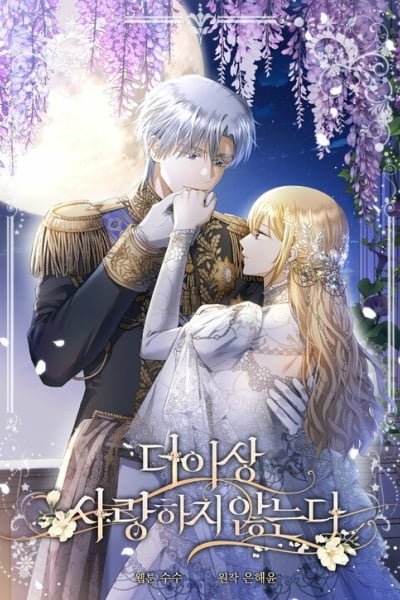
This is the darkest pick on the list, and it never pretends the damage can be fixed with flowers and a heartfelt speech. Heiner's regret is tangled up with resentments of his own, which keeps the dynamic uncomfortable on purpose — he is both the man who loves her and the reason she has nothing left. Read it if you want a regret romance that treats forgiveness as a genuinely open question rather than a scheduled finale.
Swap the palaces for a modern home. Sohui gave her marriage three years before she stopped trying, and the divorce was already moving when she found out she was pregnant. She has not told him. He, meanwhile, is learning that the empty house feels worse than he expected, and that his own family has been quietly wrecking his life.
With no dukes, curses or regressions, the regret has nowhere to hide. His wavering is ordinary: a husband who let family pressure and his own passivity hollow out a marriage, which makes him more recognizable than any cruel emperor. The grounded setting means the groveling happens in awkward phone calls and tense family dinners instead of throne rooms. It is the pick for readers who want this trope with real-life stakes.
Most regret manhwa get one thing wrong: they treat the male lead's suffering as the payoff. It is not. The payoff is the moment the heroine no longer needs him to suffer. Your Regrets Mean Nothing to Me and Now Come and Regret both understand this — the satisfaction comes from watching a woman build something he cannot touch, and his remorse is just the receipt.
That is also why amnesia and disappearance devices work better than straight apologies. In My Husband Who Hates Me Has Lost His Memories and Wished You Were Dead, the story strips away the man's ability to explain himself, so he has to face what he did without a speech to hide behind. The weakest regret stories let the hero talk his way back. The strongest, including My Beloved Oppressor, make it clear that some things cannot be talked away, and they leave the verdict with the woman he hurt.
More Regret Romance Manhwa on KuraManga
If you have run through the angst and want a different flavor, these titles either play the regret formula at its highest profile or poke fun at it from inside the genre.
The Remarried Empress - An empress answers her husband's plan to replace her by writing to the neighboring king, and the result is the most famous regretful emperor in the genre. Best for readers who want the trope at full political scale, where his remorse arrives after she has already chosen someone else.
The Broken Ring: This Marriage Will Fail Anyway - A fiancée who picked her groom at six spends fifteen years cheerfully hoping the wedding falls through, which takes all the fun out of his avoidance. Great for readers who want sharp banter before the angst kicks in.
Wasn't I the Female Lead of a Regret Novel? - A wife asks for a divorce expecting her husband to finally notice her, and gets an instant yes and an old mansion instead. It is a comedy that pokes at every regret-novel rule, perfect for readers burned out on suffering.
The Regretful Male Lead's Agency is Now Open for Business! - A reincarnated detective runs a business whose entire client list is male leads begging her to find the women who walked out. The meta premise rewards readers who know the genre well enough to laugh at it.
Unshakable Female Lead in Regret Genre - This heroine skips the suffering half of a regret story by cutting off her abusive family on day one. Best for readers who want the payoff without sitting through the pain first.
Pick Your Kind of Regret
If you want the most cutting version of the trope, start with Wished You Were Dead, where the emperor has to answer for a wish he said out loud. For slow-building dread, My Husband Who Hates Me Has Lost His Memories keeps you waiting for the day his memories come back. And if you would rather watch a heroine turn the apology down flat, Your Regrets Mean Nothing to Me is built on exactly that refusal.
Every series here is free to read on KuraManga, so pick one tonight and see how long it takes the male lead to realize what he lost.
The KuraManga Team is a group of manga and manhwa readers who write guides, reading lists, and recommendations for fans worldwide. Every article is written by people who actually read the medium.